
How to Install a Curtain Rod on Any Dubai Wall or Ceiling: Plugs, Brackets and No-Drill Options
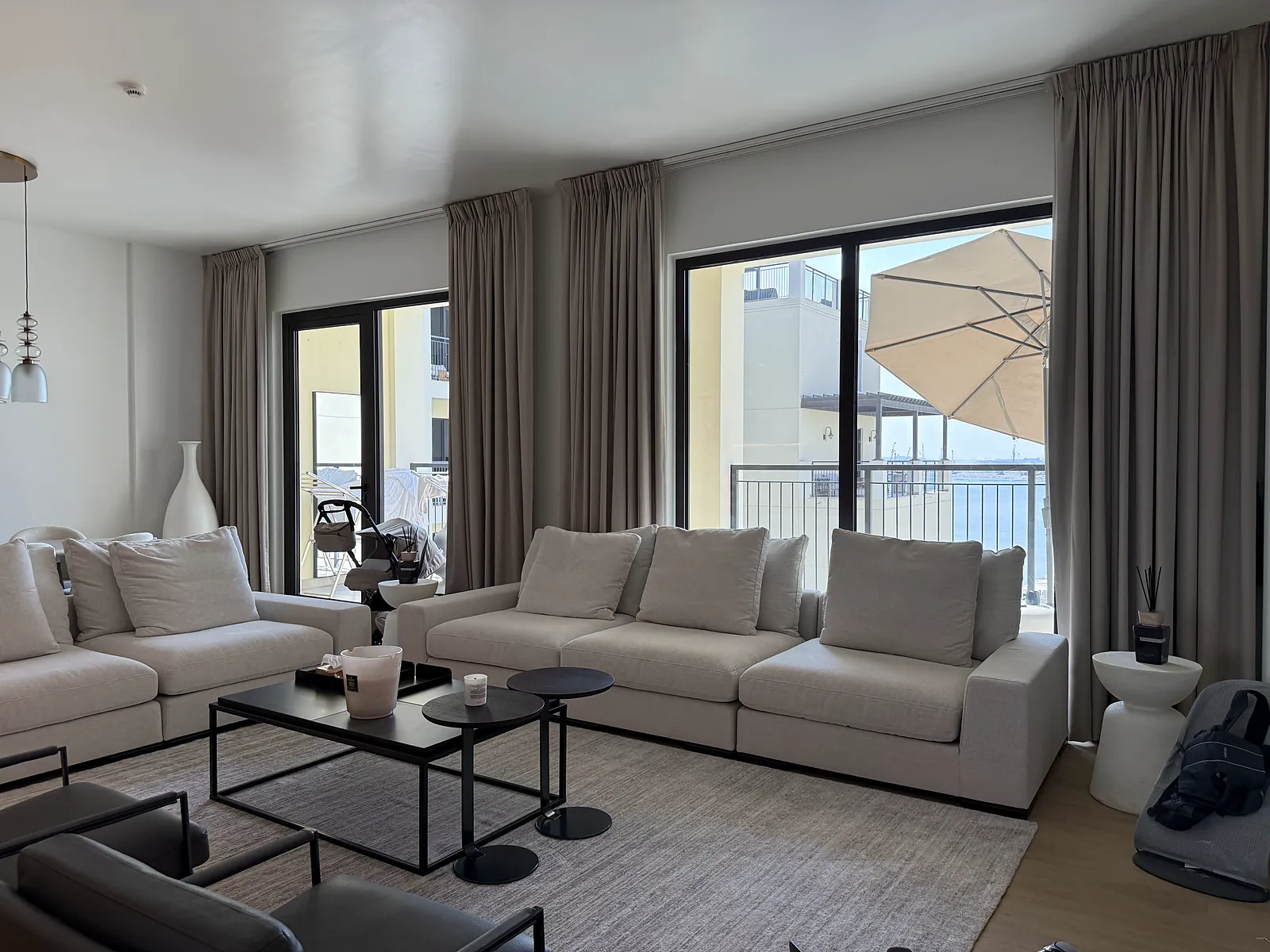
- Find out what the wall or ceiling is made of before you buy plugs.
- Concrete and block take ordinary plugs; gypsum needs a toggle, a stud or the slab above.
- Rods past about 1.5 m need support in the middle, and heavy fabric needs a thicker rod.
- No-drill rods only suit light curtains inside a recess.
A curtain rod that sags or rips out of the wall a few weeks after it goes up almost never fails because of the rod. It fails because the screws went into something that could not hold them. Dubai homes mix concrete, block, gypsum board and tiled walls, sometimes on the same window, so the fixing has to change with the surface.
This guide is about the installation itself: identifying the wall, choosing the plug, fitting the brackets on a wall or ceiling, and what to do if you cannot drill. For where the rod should sit, how high and how wide, see how to hang curtains properly.
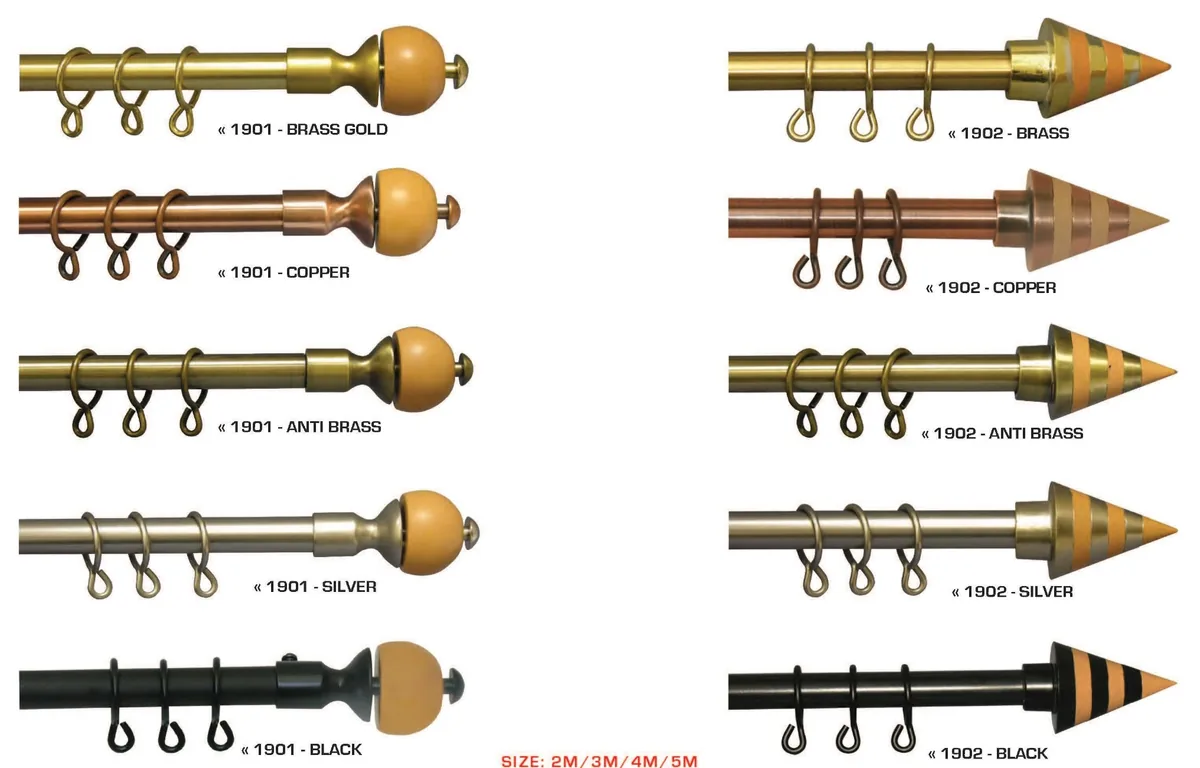
Parts of a curtain rod set
Check the box before you start. These are also the names to ask for if a part breaks later.
| Part | Job | Check |
|---|---|---|
| Rod or pole | Carries the curtain | 19 mm suits sheers; 25 to 35 mm suits most curtains; thicker for heavy lined drapes |
| Brackets | Hold the rod to the wall or ceiling | Deep enough to clear handles and AC grilles; double brackets carry two rods |
| Finials | Close the ends | One for each end, screwed in tight |
| Rings | Let the curtain slide | Roughly one for every 10 to 12 cm of curtain |
| Hooks | Join the header to the rings | Pleat hooks for pinch pleat; pin or S-hooks for tape headers |
| Plugs and screws | Anchor the brackets | The ones in the box are often too short or the wrong type for gypsum |
Tools you will need
- Drill with masonry bits (6 and 8 mm) and, for tiles, a tile or glass bit
- Stud and cable detector
- Spirit level or laser level, tape measure and pencil
- Plugs or anchors to suit your wall (see the table below)
- Screwdriver, a stable ladder and a dust mask
How to tell what your wall is made of
Spend two minutes on this; it decides everything else.
- Knock on it. A solid thud means concrete or block. A hollow, drummy sound means gypsum board on a frame.
- Press the ceiling. If it flexes slightly under your hand, it is a suspended gypsum ceiling with the concrete slab somewhere above it.
- Run a detector. It finds metal studs in gypsum walls and, more importantly, pipes and cables. In many Dubai apartments, AC pipes and wiring run close to windows.
- Drill a small pilot hole. Grey dust means concrete, red or crumbly grey dust means block, and fine white powder means gypsum.
Which fixing to use for each surface
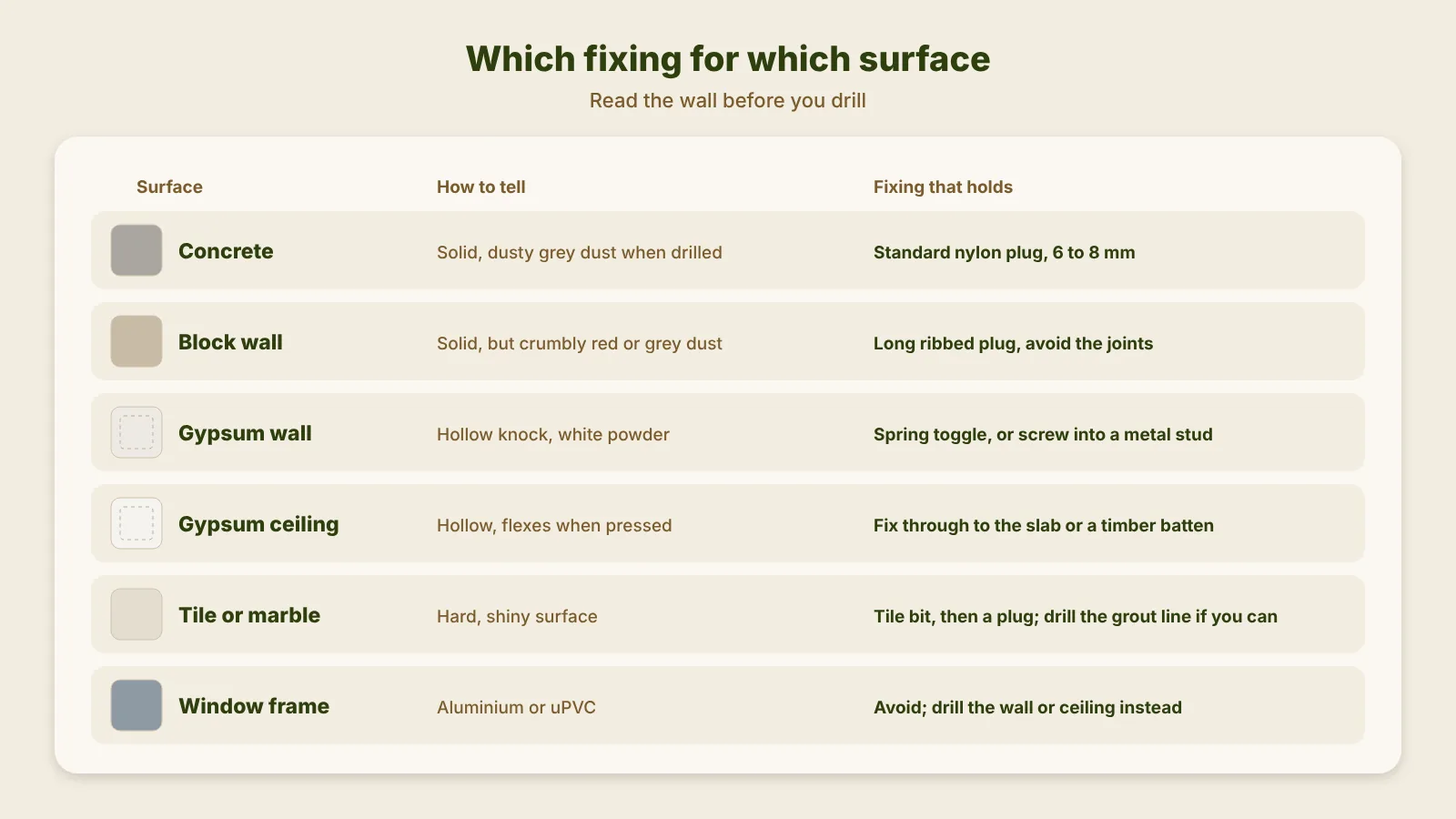
| Surface | Fixing | Notes |
|---|---|---|
| Concrete | Standard nylon plug and screw | The easiest wall to fix into; use a hammer setting |
| Block | Long ribbed plug | Block can crumble, so drill without hammer at first and avoid the mortar joints |
| Gypsum wall | Spring or butterfly toggle, or screw into the metal stud | Plastic plugs in board alone will pull out under a heavy curtain |
| Gypsum ceiling | Fix through to the slab, or into a timber batten fixed above the board | The safest option for any ceiling-mounted rod or track |
| Tile or marble | Tile bit to get through the glaze, then a masonry bit and plug | Masking tape stops the bit skating; drill a grout line if the spacing allows |
| Window frame | Not recommended | Drilling aluminium or uPVC frames can damage seals and void the window warranty |
How to install a curtain rod on a wall
- Mark the bracket positions. Decide the height and width first using the placement rules, then mark the two end brackets. Check them with a level, not by measuring down from the ceiling, which is rarely straight.
- Add the support brackets. Anything past roughly 1.5 m gets a support bracket in the middle, and very long runs get more, so the rod cannot bow.
- Check for pipes and cables. Run the detector over every mark. Move the bracket a few centimetres if anything shows up.
- Drill and plug. Drill to the length of the plug plus a few millimetres, clear the dust and tap the plug in flush. In gypsum, fit the toggle or find the stud instead.
- Fix the brackets. Screw each bracket tight, then put the level on the brackets again before the rod goes on.
- Load the rod. Slide the rings on, keeping one ring outside each end bracket so the curtain edge stays in place when closed. Seat the rod and tighten the bracket grub screws.
- Finish and test. Fit the finials, hang the curtain and open and close it several times. Watch the middle of the rod for any dip.
How to install a curtain rod or track on the ceiling
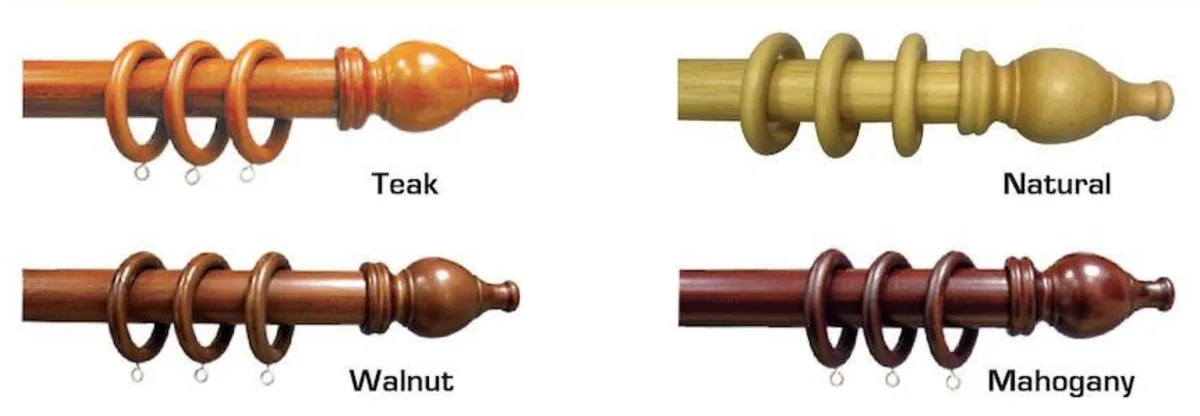
Ceiling fixing is common in Dubai because it takes the curtain right up to the top of the window and hides the gap above it. The work is different from a wall install:
- Use ceiling brackets. Wall brackets turned upside down sit at the wrong angle and work loose.
- Find the slab. In a suspended gypsum ceiling, the screw has to reach the concrete above or a timber batten fixed across the joists. Long screws through spacers are normal here.
- Consider a track instead. A ceiling track carries more weight on more fixings, runs smoother and suits wave and motorized curtains better than a rod. See the tracks we fit under rails and tracks.
- Plan recessed tracks early. A track sunk into the ceiling has to be built in with the gypsum, so it suits new fit-outs rather than a quick upgrade.
Can you install a curtain rod without drilling?
Yes, but only for light curtains and with clear limits. These options suit renters and short-term homes:
| Option | How it holds | Good for | Limit |
|---|---|---|---|
| Tension rod | Spring pressure between two walls of a recess | Sheers inside a window recess | Slips under heavy fabric; needs a recess |
| Adhesive brackets | Strong tape stuck to the wall or frame | Very light sheers | Heat can soften the adhesive on sunny glass |
| Clamp-on brackets | Grip the top of the window frame | Light curtains on suitable frames | Only fits certain frame profiles |
| Magnetic rods | Magnets on a metal door or frame | Small panels on steel doors | Useless on aluminium, wood or walls |
For blackout or lined curtains, anything wider than a single window or any ceiling-mounted setup, a drilled fixing is the only reliable option.
Common problems and how to fix them
| What you see | Why it happens | Fix it |
|---|---|---|
| Rod dips at the centre | Too few brackets or rod too thin | Add a centre bracket or move to a thicker rod |
| Bracket feels loose | Plug spinning in the hole | Fit a larger plug, or fill and re-drill a few centimetres away |
| Rod pulled out of gypsum | Plastic plugs in board only | Refit with toggles, or fix through to the slab or a batten |
| Cracks around a ceiling fixing | Screw only in the gypsum board | Re-fix into solid support and patch the crack |
| Curtain catches when sliding | Rings stuck on a bracket or rod not level | Re-level the brackets and check ring size |
| Rod spins in the bracket | Grub screw not tightened | Tighten the small screw on each bracket |
If a rod has already come down, or you would rather not drill, our fitters install rods and tracks for AED 99 per window, with the right plugs for your wall. Our curtain fixing service repairs rods and tracks that have pulled out.
Frequently asked questions
What is the correct way to install curtain rods?
Identify the wall first, use a fixing made for it, mark the brackets with a level, add a centre bracket on longer rods and test the curtain before you finish. Most failures come from the wrong plug rather than the rod.
Do I need a drill to install curtain rods?
For most rods, yes. Tension rods, adhesive brackets and clamp-on brackets avoid drilling but only hold light curtains, usually inside a window recess.
Where should brackets for curtain rods be placed?
One bracket near each end of the rod, inside the finials, and extra support brackets along longer rods so the rod cannot bow. Two-layer setups use double brackets.
What is the rule for hanging curtain rods?
The usual guide is to mount the rod above the frame and wider than the window so the open curtain clears the glass. The exact measurements are in our curtain hanging guide.
How do I install a curtain rod on a gypsum wall?
Use spring or butterfly toggles that open behind the board, or screw into a metal stud found with a detector. Standard plastic plugs in gypsum board will pull out.
Can I drill into tiles or marble to fit a curtain rod?
Yes. Use a tile bit to get through the surface, then switch to a masonry bit and fit a plug. Masking tape over the mark stops the bit sliding.
What size rod do I need for heavy curtains?
Use a rod of at least 25 to 28 mm for blackout and lined curtains, with support brackets spaced closer together on long runs.
Should I fix a curtain rod to the window frame?
It is best avoided. Drilling aluminium or uPVC frames can damage the seals, and the frame is rarely strong enough for a full-length curtain.
Related services and guides
Rather have it fitted?
Send a photo of the wall and the window. Our fitter brings the plugs that suit it, levels the rod and tests the curtain before leaving.